Ellie weeps. Something in her weekly journal entry has made her sad, but she cannot find the words to explain why. “My scooter wasn’t going in the direction I wanted it to,” she had said earlier as the class talked about their weekends, but I wonder if there is something deeper in the statement.
She weeps intermittently through our morning project about the human body, though she pauses and joins the class in drawing the heart. As they work, I say to them softly, “Think about how your heart pumps. Think about how your heart nourishes your brain, your lungs. What shapes do you see? What movement?”
A child lobs a loaded question at the group: “What is more important, your heart or brain?” “That depends,” I say, smiling slyly. “It really depends.” Ellie glares at her peer and says matter-of-factly, “If you don’t have a heart, you die.” My own heart pumps quickly in reaction to her words.
The big feelings continue. Ellie climbs up my legs during gross motor play and will not allow me to put her down. When I return from my meeting an hour later, she is face down on the floor again.
Let me read last week’s poem back to you,” I say to the group, and I see Ellie creeping over from the carpet and sliding into her chair. The children close their eyes as I read our collaborative piece about the birth of classroom chicks. I had been amazed by their introspection the Friday before as we free-associated the six-window poem, and I am equally contented by their focus and joy on the finished work.
I hand out a sheet of paper with five lines. We brainstorm ways to describe ourselves, one line for each finger on our hand. Ellie draws an X on each line, her face moving closer and closer to the desk. “I CAN’T DO IT,” she cries, tears running down her cheeks. “You don’t have to,” I say, lightly touching her back. Again, she is in my lap, weeping.
I keep Ellie in the classroom when the class goes to their afternoon special. We sit across the table from one another. I take out paper and crayons, assuming she might want to draw, but I see her hand, palm down on her X-ed out paper, and the tears flow once more. She leans across the table, placing her mouth so close to my ear that I feel the dampness of her breath.
“I can only think of bad things about myself. There are no good things, only bad.”
“Can we write those down?” I ask. Ellie looks up at me, startled. “Why would I do that?”
“Because sometimes saying the bad thing helps us move past it,” I say, smiling slightly. I write her words verbatim on the piece of paper. Ellie can’t read yet, but I feel her eyes sweep across the letters. I read it back to her quietly.
“‘I can only think of bad things about myself. There are no good things, only bad.’ It’s okay to write this down. Now you have let it out, and it lives on this piece of paper.”
An odd thing slowly unfolds. There is a silence. I try to discern whether I have helped or made things worse. It is almost as if time skips a beat. The paper is pushed off to the side. Suddenly, the air feels lighter. Suddenly, this weeping child is talking about her family. Then, as if sailing through an arc of emotions, we are drawing our families together on one sheet of paper. She names my children and my husband, then illustrates her parents and siblings, and I name each person. Suddenly, thirty minutes have passed, and the room feels like a cushion.
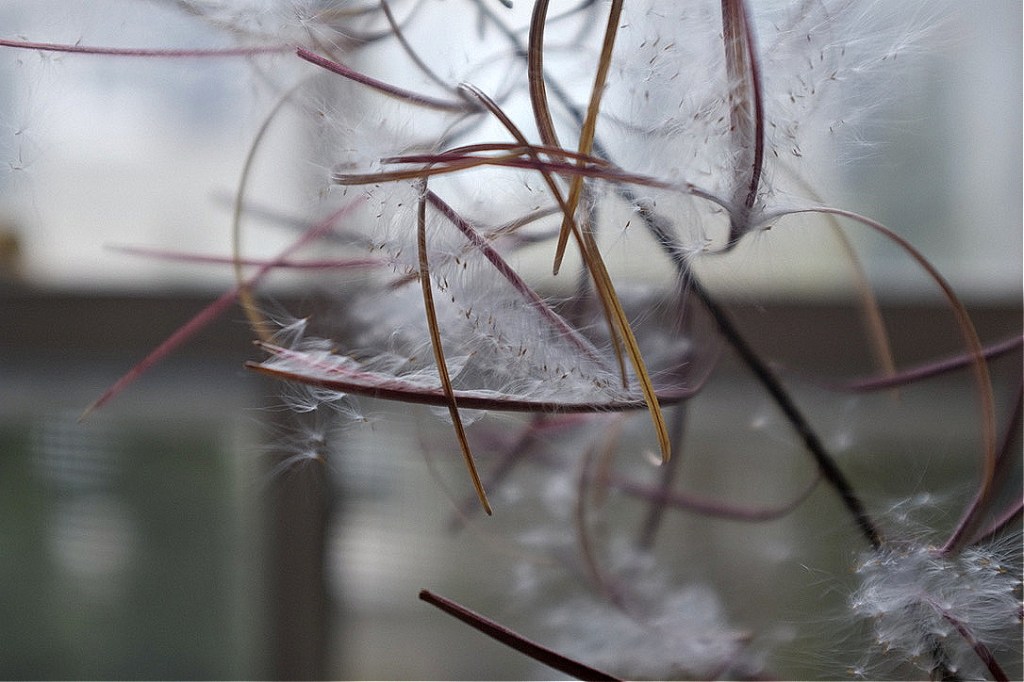
“Ellie,” I say softly, “it’s time to go outside and play with friends.” I brace for a fight over the transition. Instead, she is at the door, pulling on her coat and backpack. Outside, she sprints through the woods, collecting seeds with a peer. “Come help us grow a forest,” she yells.
On the drive home, I imagine Ellie on that scooter, directing it one way and gravity pulling it the opposite. It is synchronous with life itself, the human psyche: the yearning for one pathway, the struggle to maintain balance, to stay on course, the crushing disappointment of faltering.
At home, in the darkness of late evening, I take a piece of paper and begin writing.
 object of memory
Leave a comment